
Mars Ice House is the winner of NASA's Centennial Challenge for a 3D-Printed Habitat on Mars
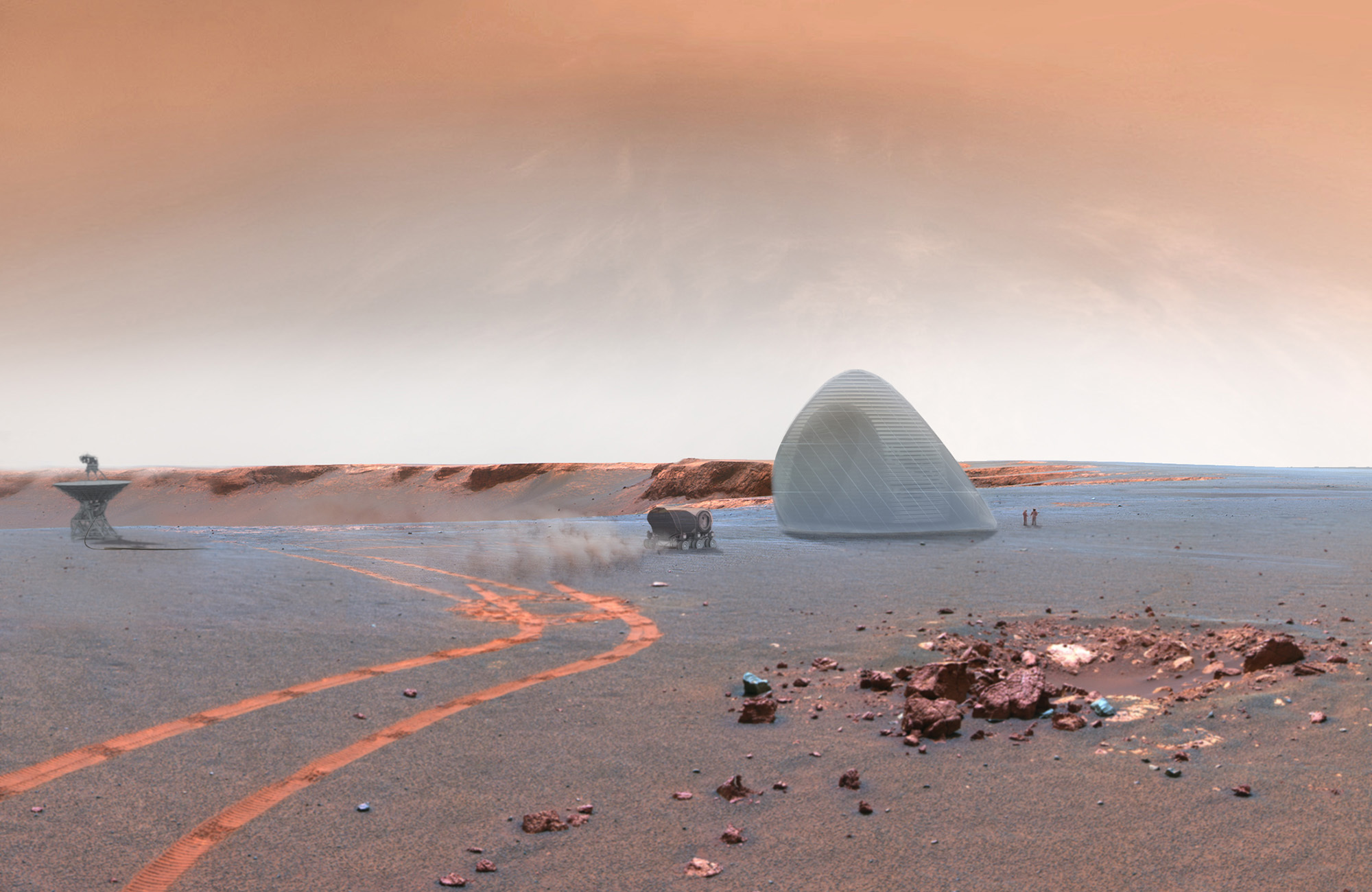
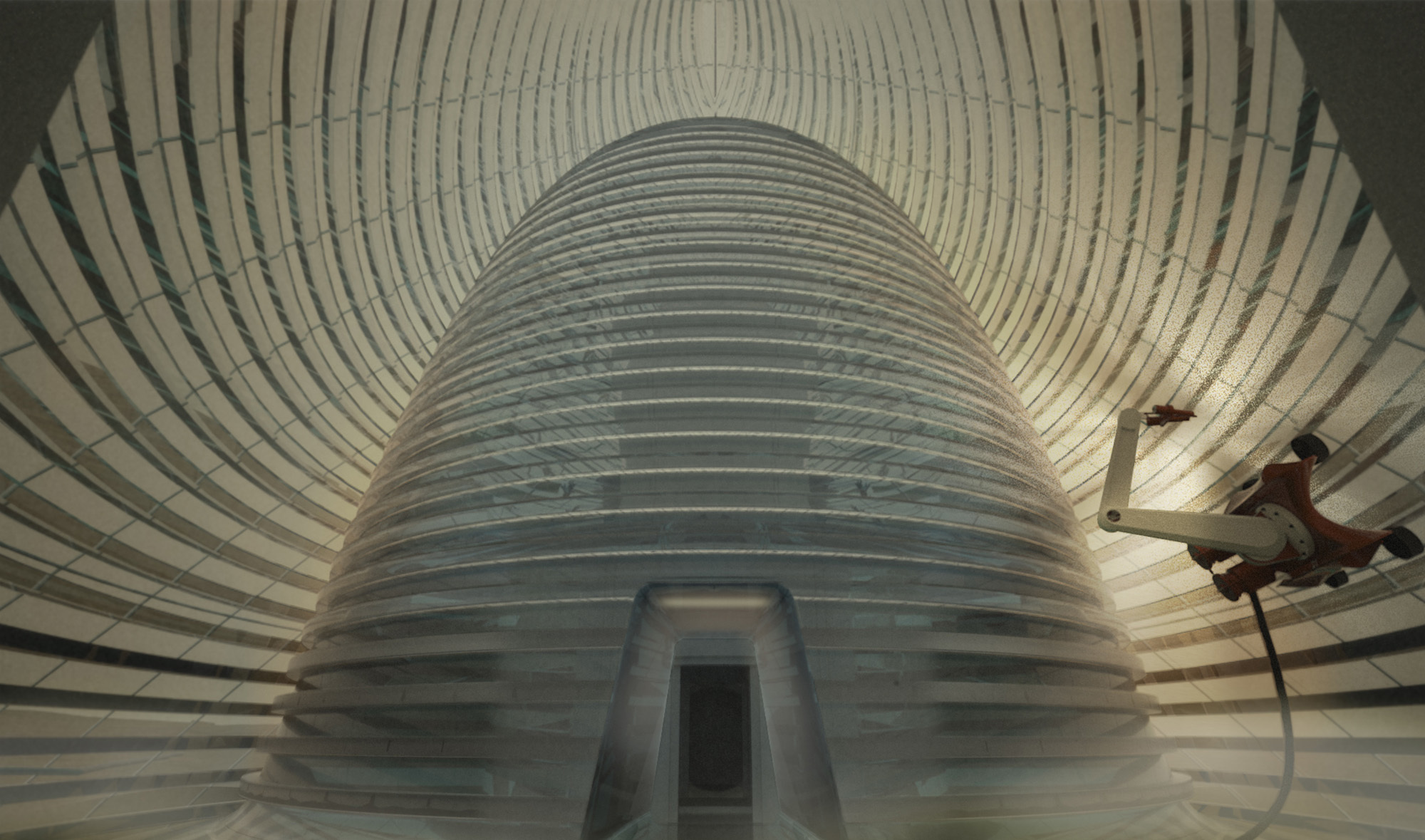
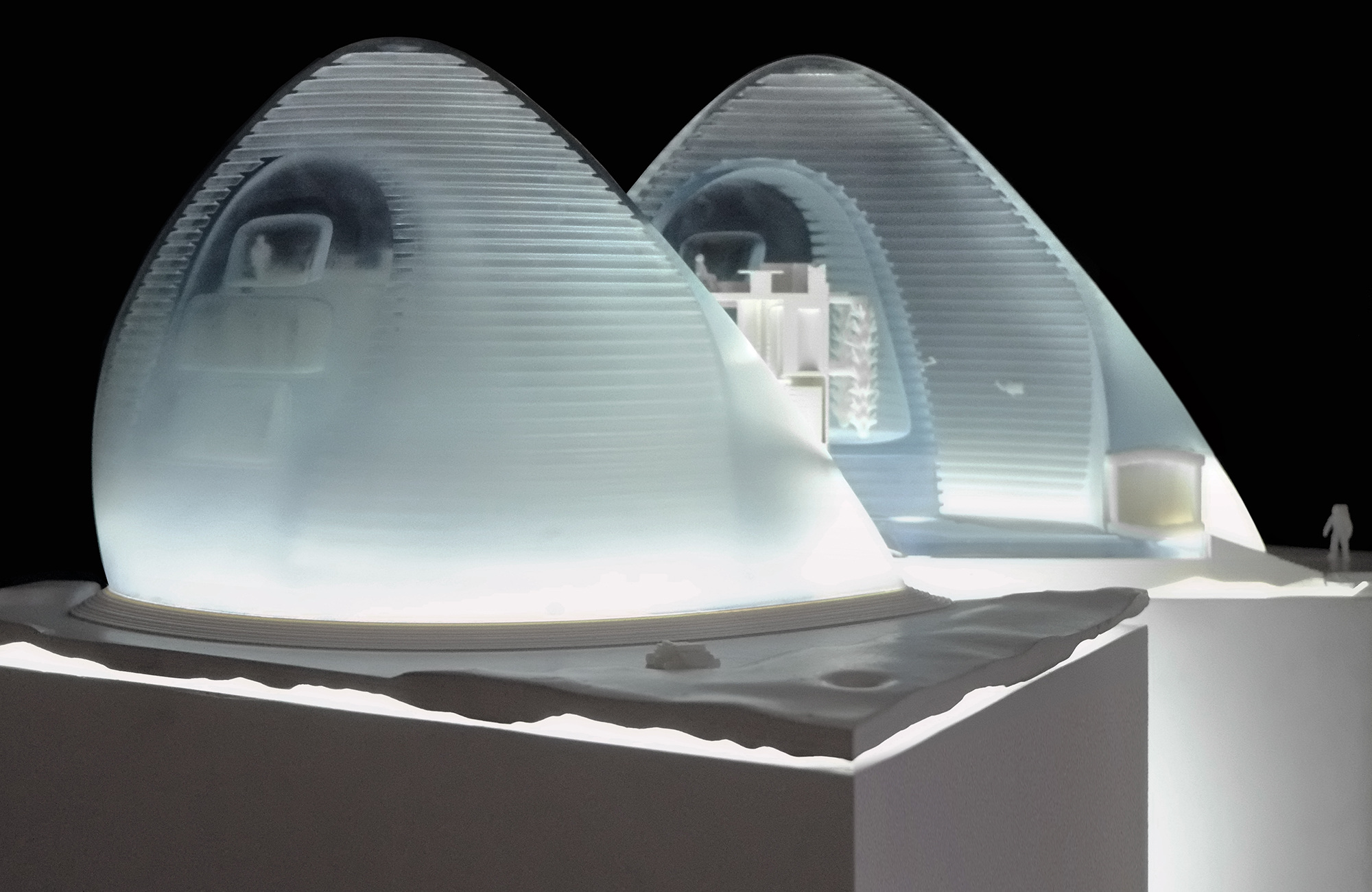
SEArch (Space Exploration Architecture) were awarded the $25,000 top prize Sunday, September 27th in the NASA and America Makes sponsored competition 3D Printed Habitat Challenge for Mars. The competition asked teams to design a habitat for four crew members while highlighting 3D printing techniques and using material indigenous to Mars. Recognizing that water is the building block to life, the team used a ‘follow the water’ approach to conceptualize, site and construct their design. ICE HOUSE was born from the imperative to bring light and a connection to the outdoors into the vocabulary of Martian architecture. The winning proposal stood out as one of the few entries not to bury the habitat beneath regolith, instead mining the anticipated abundance of subsurface ice in the northern regions to create a thin vertical ice shell capable of protecting the interior habitat from radiation while celebrating life above ground. ICE HOUSE was one of 30 designs to advance to the third round finals from an original 162, ultimately taking home first place ahead of entries from the European Space Agency and international firm Fosters and Partners. Throughout the challenge, the team also experimented with 3D ice prototyping, redefining traditional methods of 3D printing by instead relying on the physics of phase transition between solid and vapor states.
SEArch+ (Space Exploration Architecture) and Clouds AO, an architecture and space research collective, were awarded the top prize in the NASA and America Makes sponsored competition for a 3D Printed Habitat Challenge for Mars. The competition asked teams to design a habitat for four crew members while highlighting 3D printing techniques and using material indigenous to Mars. Recognizing that water is the building block to life, the team used a ‘follow the water’ approach to conceptualize, site and construct their design.
Mars Ice House was born from the imperative to bring light and a connection to the outdoors into the vocabulary of Martian architecture. The winning proposal stood out as one of the few entries not to bury the habitat beneath regolith, instead mining the anticipated abundance of subsurface ice in the northern regions to create a thin vertical ice shell capable of protecting the interior habitat from radiation while celebrating life above ground. For more visit www.marsicehouse.com